

















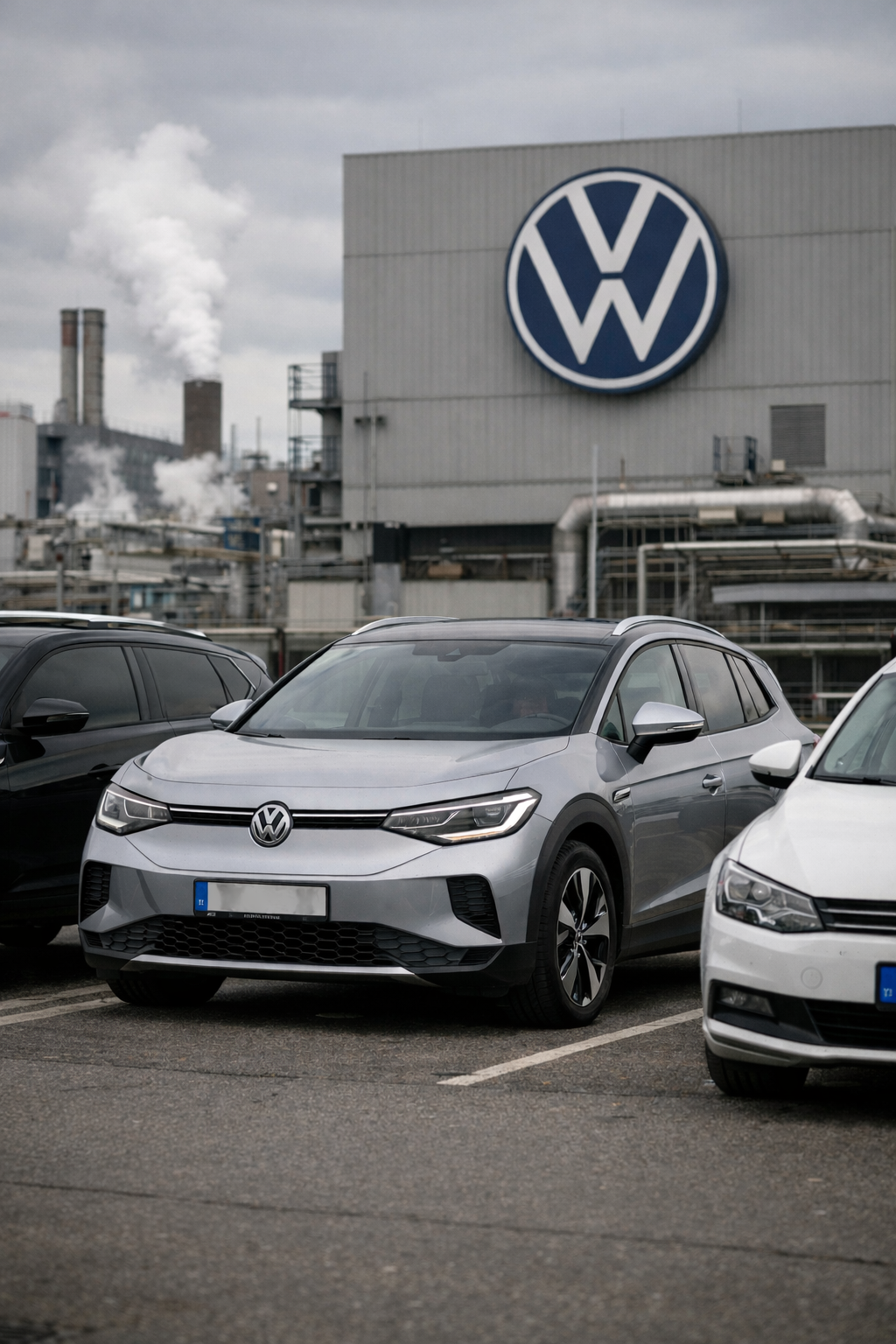
Volkswagen reported a decline in global vehicle deliveries at the start of 2026, as weak demand in key markets weighed on performance.
The German carmaker said its deliveries fell 4% year-on-year in the first quarter, reflecting broader challenges in the global automotive sector.
The downturn was particularly pronounced in China and the United States, two of Volkswagen’s most important markets.
According to the company’s statement released on Monday, deliveries in China dropped by 15% during the quarter, signalling continued pressure in the world’s largest automotive market.
Sharp declines in China and the United States
China remained a major drag on Volkswagen’s overall performance.
The 15% decline highlights persistent demand challenges, which have impacted several global automakers operating in the region.
In the United States, the situation was even more difficult, with deliveries falling by 20.5% in the first three months of the year.
The company attributed the sharp drop to steep tariffs and regulatory changes that have dampened demand for electric vehicles.
These combined pressures in China and the US significantly offset performance in other regions, contributing to the overall decline in global deliveries.
Challenging economic and geopolitical conditions
Volkswagen’s sales leadership acknowledged the difficult operating environment, pointing to broader macroeconomic and geopolitical factors affecting the industry.
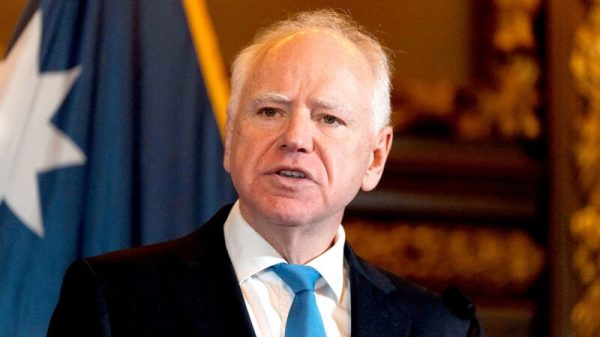
“The first quarter of 2026 was once again characterized by very challenging economic and geopolitical conditions,” Volkswagen sales chief Marco Schubert said.
He added that the automotive market was declining globally, underscoring the widespread nature of the slowdown.
The statement reflects growing concerns across the sector, as automakers grapple with fluctuating demand, policy changes, and shifting consumer preferences.
Workforce restructuring amid mounting pressures
Volkswagen is also undertaking significant cost-cutting measures as part of its broader restructuring efforts.
The company plans to reduce its workforce in Germany by 50,000 jobs by 2030, as it responds to declining profitability and increasing external pressures.
The move comes amid challenges including US tariffs, weakening demand in China and North America, and rising costs linked to the transition towards electrification.
Europe’s largest automaker said the job reductions will be implemented across the group, including its premium brands Audi and Porsche.
The planned cuts form part of a wider strategy to streamline operations and adapt to an increasingly difficult business environment.
Strategy to regain momentum
Despite the weak start to the year, Volkswagen is looking to regain momentum through targeted strategies in key regions.
The company plans to strengthen its position in China by introducing a range of locally developed new models in the coming months.
This approach is aimed at better aligning its offerings with local consumer preferences, which have increasingly favoured domestic brands and tailored products.
At the same time, Volkswagen intends to build on continued growth in Europe.
The company is focusing on expanding its portfolio of urban electric models, a segment that has shown resilience amid broader market challenges.
Volkswagen’s outlook remains uncertain
While Volkswagen’s planned initiatives signal a proactive approach, the near-term outlook remains uncertain.
The combination of economic pressures, regulatory shifts, and evolving market dynamics continues to pose risks to global automakers.
The company’s performance in the coming quarters will likely depend on its ability to execute its regional strategies effectively and navigate the ongoing challenges in its key markets.
The post Volkswagen Q1 deliveries down 4% as China, US demand weakens appeared first on Invezz